Column · @edgarohfe921
Pizza Place Cheyenne Spots That Deliver Big Taste
Cheyenne does not overwhelm you with endless pizza options, and that is part of its charm. The city’s food scene tends to reward places that know exactly what they are trying to be. When a local pizza shop gets the crust right, uses a sauce with some backbone, and pays attention to timing, people notice. They come back with their families after football games, swing by for takeout on snowy evenings, or claim the same corner booth every Friday night. In a city where word of mouth still matters, a strong pizza place earns its reputation one pie at a time.
That makes the search for a great pizza place Cheyenne locals actually rely on a little more interesting than simply opening an app and sorting by stars. The strongest spots usually do a few things very well. They understand that dough texture matters as much as toppings. They know cheese should support the slice, not blanket it into heaviness. They treat timing seriously, because a pie that sits for ten extra minutes on a rack can lose the balance the kitchen worked for. Those details separate a merely convenient dinner from a place you remember and recommend.
If you are trying to figure out where big taste really shows up in Cheyenne, it helps to look beyond the menu headline and pay attention to how the whole shop operates.
What big taste actually means in a pizza town like Cheyenne
People use the phrase “great pizza” as if everyone means the same thing, but they rarely do. One diner wants a foldable slice with char on the rim. Another wants a thick, pan-baked crust with enough structure to carry sausage, peppers, mushrooms, onions, and extra cheese without collapsing. A family with young kids may care less about artisan fermentation and more about whether everyone can agree on a half-and-half pie and get out the door in under an hour.
In Cheyenne, the best pizza experiences often come from places that understand their audience while still keeping standards high. That can mean a neighborhood shop that makes a dependable hand-tossed pie with a crackly bottom. It can mean a sports bar that overperforms with surprisingly good dough and better-than-expected sauce. It can also mean a casual sit-down restaurant where the pizza arrives hot enough that the cheese still stretches on the second slice, not just the first.
Big taste usually comes down to balance. You want acidity in the sauce, enough salt to wake up the cheese, and crust flavor that does more than act as a delivery vehicle. You also want restraint. Some pizza place cheyenne kitchens hide average dough under a pile of toppings. At first bite, that can seem generous. By the third slice, it feels muddy. The places that make a real impression tend to use toppings with a lighter hand and let each component pull its weight.
The styles you are most likely to find, and how to judge them
Cheyenne is not a one-style pizza city, which works in your favor. You can usually find several approaches, even if the market is smaller than Denver or Fort Collins. Most local diners will run into a mix of classic American hand-tossed pies, thicker pan styles, thin-crust options, and hybrid tavern or pub pizzas that pair naturally with beer and game-day traffic.
A hand-tossed pie lives or dies on dough handling. If the crust has a little chew, an airy rim, and some toasted flavor, that shop probably cares about the basics. If it is pale, dense, and uniform from center to edge, the kitchen may be relying on toppings to do too much work.
Pan pizza can be excellent in Wyoming weather, especially during colder months when something heartier fits the mood. Good pan pizza should be crisp where it touches the metal, soft but not gummy inside, and strong enough to support sauce and cheese without turning greasy. A lot of places get the color right and miss the texture. If the bottom steams itself soft inside the box, the experience changes fast.
Thin crust is often underrated in smaller markets. It tells you quickly whether a kitchen has confidence. There is nowhere to hide. You taste the dough, the sauce, and the bake almost immediately. A great thin crust comes out brittle at the edge, stays composed under the toppings, and leaves you wanting another slice rather than making you feel finished after one.
Then there is the pub-style middle ground, the kind of pizza that shows up in places where the room matters as much as the pie. These spots can surprise you. When a kitchen designs pizza to work with pitchers, local beer, and groups splitting appetizers, it sometimes lands on an ideal formula: enough crunch, enough salt, enough topping variety, and a bake that holds up over a conversation.
Why the crust tells you nearly everything
A lot of diners judge pizza by toppings because toppings are visible. Crust reveals more. If you want to know whether a pizza place Cheyenne residents trust is actually serious, start there.
Good crust has flavor on its own. That does not mean it needs to taste sour or dramatically fermented. It means it should taste like bread that someone paid attention to. Even a straightforward dough should show a little sweetness from flour, a little savoriness from proper baking, and a texture that changes from the bottom to the rim. Great crust also creates contrast. It gives the soft cheese and wet sauce something to play against.
One easy tell is the final two inches of the slice. If people leave them on the plate, the crust is probably filler. If they finish every edge and then reach for another piece, the dough is doing real work.
In takeout situations, crust performance matters even more. Cheyenne weather adds another variable. Cold air on the walk to the car, steam building in a closed box, and a ten to fifteen minute drive can soften even a strong pizza. Shops that vent boxes properly, bake with enough color, and avoid oversaucing tend to travel better. That is not a small detail. A pizza that tastes terrific fresh from the oven but disappointing ten minutes later is not really solving the weeknight dinner problem most customers have.
Sauce, cheese, and toppings, where good shops separate from average ones
Sauce is one of the easiest places for a kitchen to lose the plot. Too sweet, and the pie tastes flat. Too acidic, and every bite feels sharp rather than lively. Too much dried herb, and the whole thing starts tasting dusty. The best sauces tend to support rather than dominate. You notice brightness first, then depth, and finally a clean finish that does not linger in a sugary way.
Cheese matters just as much, but not always in the way people think. More cheese does not equal more flavor. In fact, too much cheese often turns a pizza heavy and muffled. Better shops understand melt, browning, and moisture. They use enough to create richness while still letting crust and sauce speak. If there is a blend involved, even better, because a little provolone or another sharper note can give the pie dimension that straight mozzarella sometimes lacks.
Toppings are where discipline shows. Pepperoni should cup or at least crisp at the edges when the style calls for it. Sausage should taste seasoned, not anonymous. Vegetables should be cooked enough to lose rawness but not so long that they collapse into water. A kitchen that pays attention to onions, mushrooms, and bell peppers will probably pay attention elsewhere too.
There is also the issue of topping placement. This sounds small until you have had too many pizzas where everything slides off in one sheet. Good assembly is part of the craft. A balanced layer, distributed evenly, helps each slice hold together. It also keeps the center from turning soupy.
The difference between dine-in, takeout, and delivery
A pizza shop can excel in one format and merely survive in another. Diners do not always account for that, but they should.
Dine-in is where a place can show its best self. The pie reaches the table quickly, the crust still snaps, and the cheese has not had time to congeal. If you are trying a new spot, eating on-site gives you the fairest read. You will know whether the kitchen truly has command of the product or whether the restaurant depends on the forgiving nature of takeout.
Takeout is the real test of consistency. Most people in Cheyenne are not doing a leisurely pizza dinner every time. They are grabbing boxes between errands, after work, or before settling in at home on a windy night. A takeout-friendly shop thinks through timing, box ventilation, and order pacing. It does not leave your pie sitting on a shelf while sides catch up. It also does not rush it out underbaked just to hit a quoted pickup time.
Delivery adds another layer, and not every style survives the trip equally well. Thin crust can lose its edge if it sits too long. Pan pizza often travels a little better, especially if the crust was baked decisively. Specialty pies loaded with sauce, extra cheese, or watery vegetables are more vulnerable than simple combinations like pepperoni, sausage, or cheese. If a shop offers both, it is smart to order with the travel distance in mind.
What to order the first time you visit a new spot
A first order should tell you whether the kitchen has fundamentals, not just whether you happened to pick a topping combination you like. The smartest move is to keep it simple enough to evaluate the pizza itself.
Here is a reliable first-visit approach:
- Start with either a plain cheese or pepperoni pie.
- Add one topping you know well, such as sausage or mushrooms, if you want a second test.
- Skip extra cheese on the first order.
- If the shop offers different crusts, choose the standard house style first.
- Eat at least one slice fresh before saving the rest for later.
This kind of order answers the important questions. Is the dough flavorful? Does the sauce have character? Can the cheese brown without turning oily? Do the toppings feel intentional or generic? Once a place proves itself on basics, then it makes sense to branch into specialty combinations, white pies, spicy options, or heavier builds.
The atmosphere matters more than people admit
Pizza is social food. That may sound obvious, but it influences how a place is judged. A technically good pizza can feel forgettable in a cold room with distracted service. Meanwhile, a very good pizza can become a local favorite when paired with a warm staff, a comfortable booth, and the kind of rhythm that makes families want to linger over one more soda refill.
Cheyenne has always responded well to places that feel grounded. You see it in restaurants where the staff knows repeat customers, where youth teams come in after games, and where nobody acts as if ordering a large pie for the table is somehow unsophisticated. The strongest pizza spots fit that local cadence. They can handle a couple on a casual date night, a family with three kids, and a group of coworkers looking for easy food and a relaxed setting.
That does not mean atmosphere should excuse weak execution. It means the full experience counts. Pizza is rarely eaten in a vacuum. The room, the music, the pace of service, and the staff’s knowledge of the menu all shape whether a place becomes part of your routine.
Value is not the same thing as low price
When people hunt for a pizza place Cheyenne families can afford regularly, they often focus on sticker price alone. That can be misleading. A cheaper pizza that leaves everyone still hungry or arrives with limp crust is not a bargain. A slightly more expensive pie made with better dough, stronger toppings, and enough heft to satisfy can be the better value.
Portioning plays into this. Some shops cut large pies into many small slices, which can look generous but eat quickly. Others cut fewer, larger pieces with enough structure that two slices pizza place cheyenne feel substantial. Side items matter too. Garlic bread, wings, salads, and drinks can push a moderate order into expensive territory fast. It is worth checking whether the pizza itself carries the meal or whether you feel nudged toward add-ons.
Families often get the best value from places that do two things well: they make a dependable large cheese or pepperoni pie, and they offer at least one specialty option that feels meaningfully different rather than just overloaded. That allows a table to satisfy both cautious eaters and more adventurous ones without overspending.
Local habits that shape the best pizza experiences
Cheyenne’s pace influences how people use pizza places. You see busy stretches around school events, cold-weather weekends, and nights when cooking simply loses to convenience. Because of that, the best times to judge a shop are not always the easiest times to visit.
A restaurant that performs well on a slow afternoon may struggle on a packed Friday evening. That does not make it bad, but it does tell you something about systems. Can the kitchen hold consistency when the orders stack up? Does staff communication keep pickup times realistic? Do dine-in tables get hot food, or does everything tilt toward delivery and app traffic? Those operational details shape repeat business as much as flavor does.
Weather also matters in a place like Cheyenne. Wind and cold change customer behavior. More takeout, more delivery, more boxed pizza spending time in transit. A shop that thrives locally has usually adapted to that reality. It knows how to package, when to quote conservatively, and how to keep quality stable even when the lobby is full of coats, boots, and customers checking their phones.
Red flags that tell you to keep looking
Not every pizza craving needs to become a culinary investigation, but there are a few warning signs worth noticing. They tend to show up before the first bite.
Watch for menus that try to do everything and say nothing. A huge spread of pizzas, sandwiches, pasta, wings, salads, desserts, and half a dozen cuisines usually means focus is thin. Look at the crust color on pies coming out of the oven, if you can see them. Pale pizzas often taste exactly how they look. Pay attention to whether staff can explain size differences, crust styles, or specialty combinations without hesitation. Familiarity usually signals a kitchen with standards rather than one coasting on routine.
The biggest red flag, though, is inconsistency. Most people forgive a slightly long wait if the pizza is good. They forgive a casual dining room if the pie lands hot and balanced. What drives customers away is unpredictability. One great visit followed by two mediocre ones is how a promising spot falls out of rotation.
When a simple pie beats the house specialty
There is a temptation, especially in a new place, to order the pizza with the most dramatic name and the longest topping list. Sometimes that pays off. Often it does not.
Simple pies expose strengths. Cheese, pepperoni, sausage, maybe a vegetable or two. Those combinations give the dough room to matter and the sauce room to breathe. They also travel better and reheat better, which matters if leftovers are part of the calculation. A loaded specialty pie can be fun for a table, but it asks more of the kitchen. More moisture, more fat, more variables, more chances for imbalance.
That is why many experienced diners quietly judge a shop by its plain cheese or pepperoni before anything else. If a restaurant can make a straightforward pie memorable, it probably has the fundamentals to make the rest of the menu worthwhile.
Finding your own regular spot in Cheyenne
The right pizza place is not always the one with the flashiest menu or the loudest online praise. It is often the one that fits how you actually live. Maybe that means a dependable pickup order on the way home from work. Maybe it means a sit-down place where the kids can relax and everyone can split a large pie without fuss. Maybe it means a restaurant whose crust stays crisp enough to survive the drive across town.
A great pizza place Cheyenne diners return to again and again usually earns that role through consistency, not novelty. The sauce tastes the way you remember. The crust holds up. The staff gets the order right. The room feels familiar. On a practical level, that reliability is every bit as important as creativity.
Big taste does not always announce itself with gimmicks. More often, it arrives in the form of a well-baked crust, balanced toppings, and a kitchen that respects the basics. In a city like Cheyenne, that kind of pizza tends to stand out fast and stay in rotation for years.
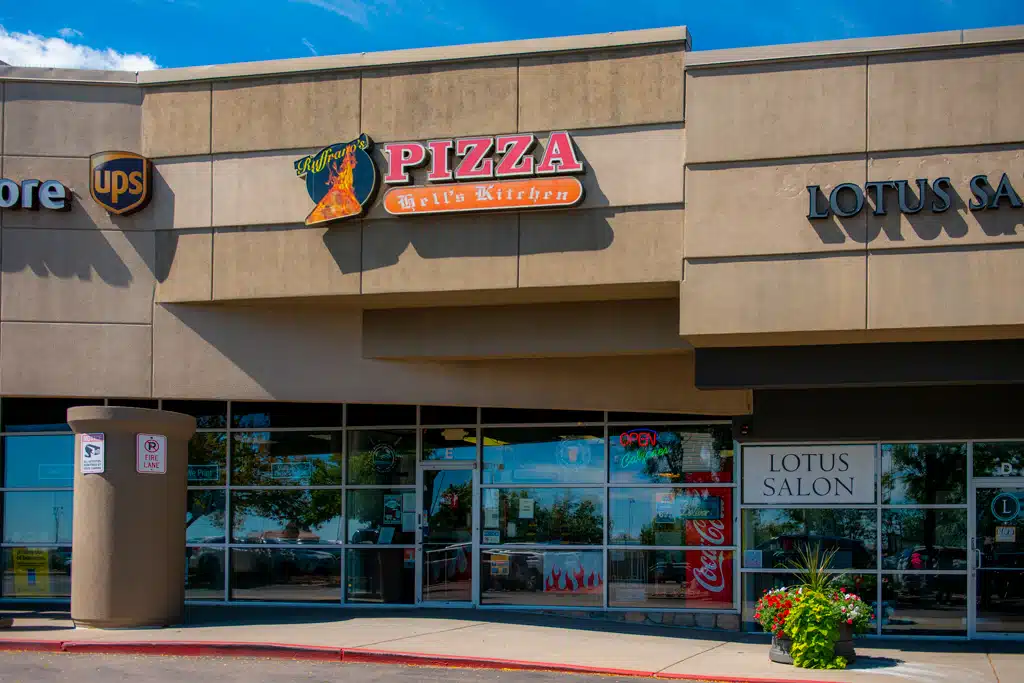
Ruffrano's Hell's Kitchen Pizza Cheyenne
Address: 1670 E Cheyenne Mountain Blvd, Colorado Springs, CO 80906
Phone number: +17195764355
FAQ About Pizza Place Cheyenne
What's the most popular pizza place?
The "most popular" pizza place depends on whether you measure by location count, total sales, or customer favorite status.
What is the 2 pizza rule?
The two-pizza rule is a management principle made popular by Amazon founder Jeff Bezos. It states that a team or meeting should never be larger than what can be fed with two large pizzas—typically translating to a group of 5 to 10 people (or roughly 6 to 12 people depending on appetites).
Is 2 pizzas enough for 10 people?
No, 2 pizzas are usually not enough for 10 people.